
 Best
Best
Best Pet Insurance for Large Dogs (2026): Picks by Breed and Risk
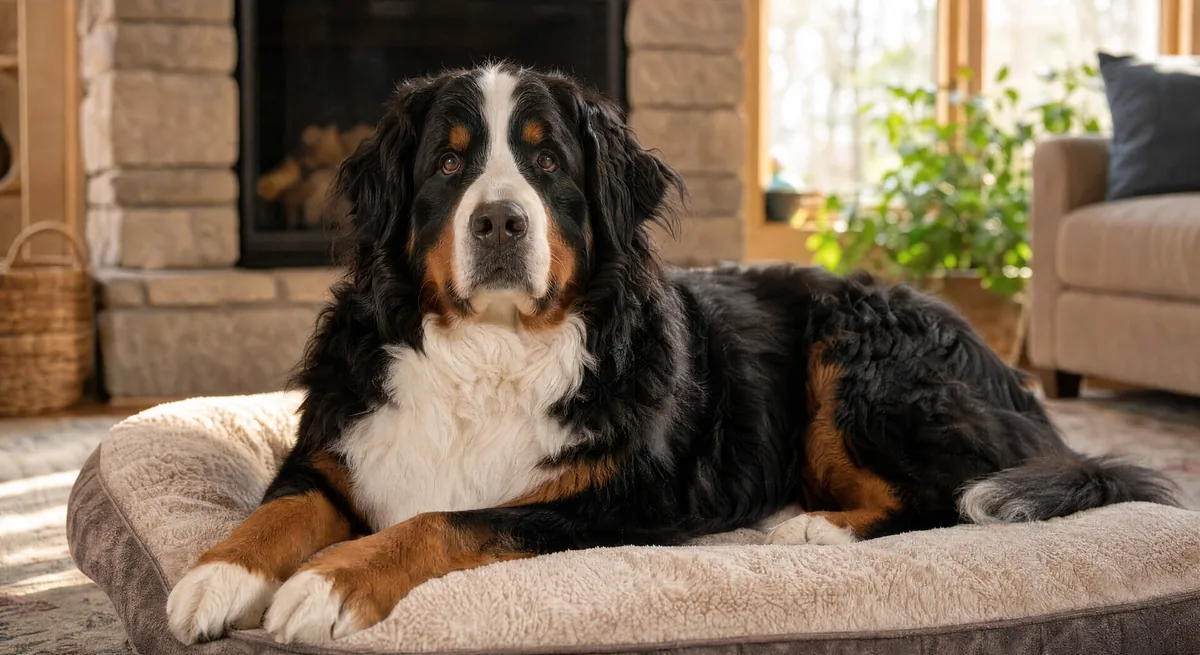
Large dogs face $5,000–$15,000 orthopedic and bloat bills. We rank insurers on what matters for big breeds — orthopedic waits, annual limits, and direct pay.
Expert reviews, in-depth comparisons, and honest insights to help you find the perfect pet insurance coverage. No fluff, just facts.
WhiskerCover is a licensed insurance agency in 17 states (NPN 22114366), founded by a licensed insurance agent (NPN 22083543) and obsessive pet owner. We read the regulatory filings, actuarial data, and policy fine print — so you can see which providers actually pay claims, not just which ones advertise well.
We don't rank by who pays us the biggest commission. We flag what marketing pages hide: bilateral exclusions, annual caps buried on page 14, and the shared underwriting behind “competing” brands — Spot, ASPCA, and Pets Best are all the same company.
Most “best pet insurance” lists rank brands by payout. We did the opposite — we pulled the binding policy forms for every U.S. carrier still writing new policies and mapped the six clauses that quietly decide whether a claim gets paid. Every value is quoted from a policy document, with its form number. No marketing pages. No affiliate links.
Deep dives into pricing, providers, and the fine print that matters for your pet's protection.
Best
Large dogs face $5,000–$15,000 orthopedic and bloat bills. We rank insurers on what matters for big breeds — orthopedic waits, annual limits, and direct pay.
 Conditions
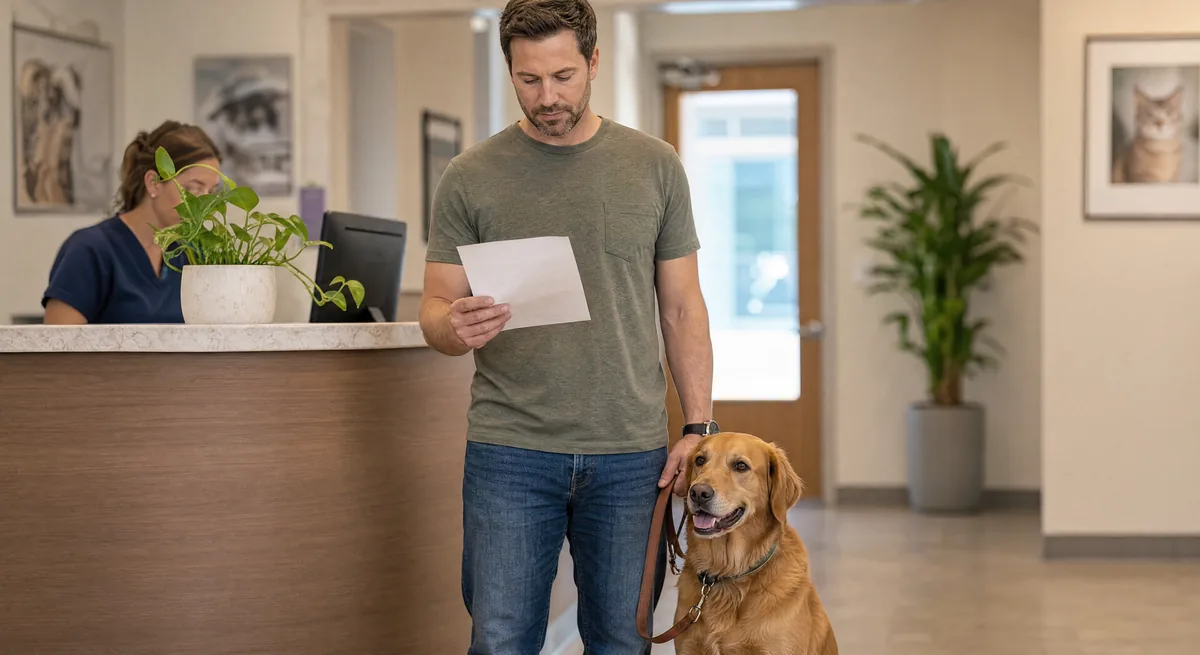
Worried your dog is lethargic? The red flags that mean ER now, what's normal after vaccines or boarding, what the vet will do, and what it may cost.
 Conditions
Yes—but not the surgery your pet already needs. See what's covered, what a claim really pays, and how to pay the vet before reimbursement. 2026 guide.
 Multi-Pet
Most insurers cover multiple pets with separate policies plus a 5–10% discount, but one true family plan exists. See costs and when bundling beats splitting.
 Reviews
Dated ratings for every major U.S. pet insurer — built from policy documents, NAIC complaint data, and verified renewal records. Updated July 2026.
 Pet Insurance Basics
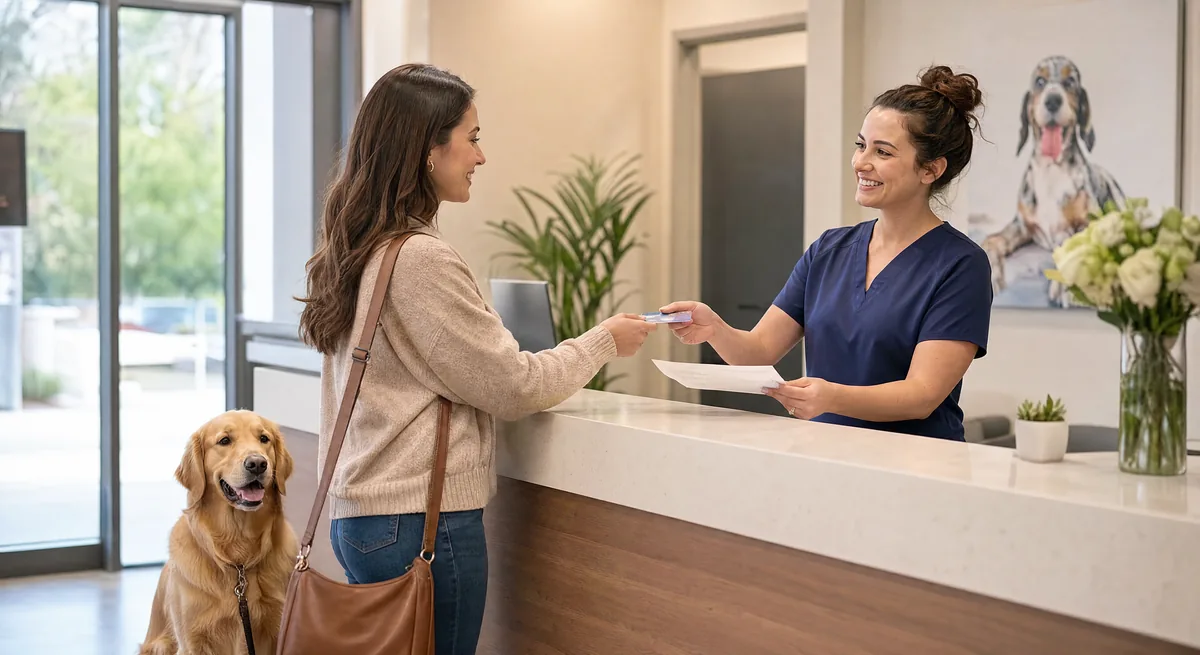
Pet insurance usually pays you back after you pay the vet, not the clinic. Here's how it really works, from premium to reimbursement, and what you'll get back.
 Pet Insurance Basics
Switching pet insurance starts a new policy, not a transfer. How it works, what resets, how insurers decide what's pre-existing, and when not to switch.
 Coverage & Exclusions
Accident & illness pet insurance covers injuries and diseases — but not pre-existing conditions or routine care. What's covered, real costs, and who needs it.
 Switching
Yes, you can switch pet insurance—but pre-existing conditions and waiting periods don't transfer. Know when it pays, when it backfires, how to switch safely.
I compared six providers in an afternoon. The cost tables are the best thing on this internet.
Your methodology page convinced me you'd actually read the policies. That's vanishingly rare online.
If you have a healthy pet, you'll likely lose money on premiums — and that's the best-case scenario. Pet insurance isn't an investment; it's a hedge against catastrophe. It becomes "worth it" the moment you face a $5,000–$10,000 emergency bill. For the 1 in 3 pets that face an emergency each year, it's a financial lifesaver.
In 2026, the average monthly premium is about $62 for dogs and $32 for cats for standard accident and illness coverage. It varies widely by breed and location: a French Bulldog in a major city can run nearly $100/month, while a mixed-breed cat might cost $23.
Generally, no. Any illness or injury in your pet's records before the policy starts is excluded. A handful of providers (ASPCA, Spot, Embrace) distinguish between "curable" conditions like ear infections and "incurable" ones like diabetes — curable issues can be covered again after a symptom-free period of around 180 days.
Usually, yes. Most pet insurance works on a reimbursement model: you pay the bill, file a claim, and get paid back in 1–2 weeks. Trupanion and Pets Best offer "Direct Pay" options that can pay the vet at checkout — so you only cover your deductible and copay.
Dental accidents — a tooth broken chewing a bone, for example — are covered by nearly every plan. Dental illness like periodontal disease and extractions is often excluded or capped unless you have a premium plan from providers like Fetch or Pets Best, and often requires proof of annual cleanings.